


Charcoal Sketch
What Is Charcoal Sketching?
A charcoal sketch is a drawing made using charcoal sticks, pencils, or powder. Charcoal is known for its deep blacks, soft textures, and the freedom it gives artists to create expressive lines and dramatic contrasts. Because charcoal is easy to blend and erase, artists use it for quick studies, portraits, landscapes, and realistic drawings. A charcoal sketch is often the first step in learning shading and depth because of how versatile the medium is.

A Brief History of Charcoal Art
Charcoal has been used in art for thousands of years—dating back to prehistoric cave drawings. Early humans used burnt wood to sketch animals and scenes from daily life. Later, during the Renaissance, artists like Leonardo da Vinci used charcoal sketches to plan larger paintings. Over centuries, charcoal became a fundamental tool in academic art training because it helped students learn light, shadow, volume, and anatomy. Today, a charcoal sketch remains one of the most classic and expressive forms of drawing.
Types of Charcoal Used in Sketching
• Vine Charcoal
Vine charcoal is made by burning grapevines or willow without oxygen. It creates light, soft lines that are easy to erase. If you want a gentle and subtle charcoal sketch, vine charcoal is perfect for laying down initial outlines and soft shading. Unlike its counterpart, compressed charcoal, vine charcoal contains no binding agent, making it extremely powdery and easily lifted from the paper. This fragility is what makes it the most forgiving medium for artists, allowing for frequent corrections and the seamless blending of tones with a finger or chamois cloth to create smooth gradients. Consequently, it is an essential tool for the initial ‘lay-in’ of a drawing, where composition and proportions are established before darker, permanent marks are made
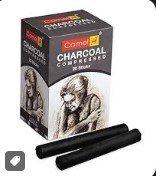
• Compressed Charcoal
Compressed charcoal is denser and darker than vine charcoal. It comes in sticks and produces bold, rich blacks. This type is used when you want strong contrast in your charcoal sketch. However, it is harder to erase and requires careful control. The intensity of the color is due to a gum or wax binder mixed with the pulverized charcoal, which compacts the pigment and fixes it more firmly to the paper. Because of this binder, it is generally reserved for the final stages of a drawing to deepen shadows, define sharp edges, and establish the darkest values, bringing a powerful sense of drama and finish to the artwork
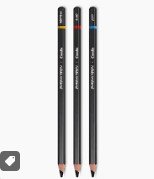
• Charcoal Pencils
Charcoal pencils combine charcoal powder with a binder and are great for precise lines. They are ideal for detailed charcoal sketch work—such as drawing eyes, hair strands, textures, or fine outlines. Encased in wood like a standard graphite pencil, they offer the clean handling and control of a pencil while delivering the rich, matte black quality of charcoal. They are available in varying degrees of hardness (typically soft, medium, and hard), allowing artists to select the appropriate intensity for delicate feathering or bold, crisp accents, bridging the gap between the soft blending of vine charcoal and the intense coverage of compressed sticks.

Essential Tools for Charcoal Sketching
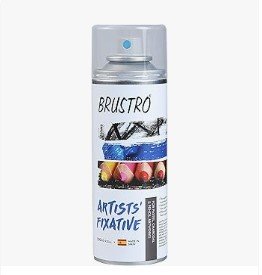
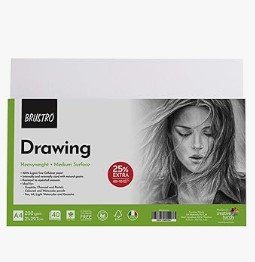
To create a good charcoal sketch, you don’t need many tools, but having the right ones makes a huge difference:
Why Artists Love Charcoal: Unique Benefits
Artists are drawn to charcoal because it offers:
High contrast: Deep blacks and bright highlights look dramatic.
Easy blending: Smooth gradients make a charcoal sketch look realistic.
Expressive strokes: Charcoal responds well to pressure and movement.
Quick coverage: You can fill large areas fast.
Beginner-friendly: Mistakes can be erased or blended easily.
These benefits make the charcoal sketching process enjoyable, forgiving, and creatively freeing.
Basic Techniques Every Beginner Should Know
Shading is the foundation of a charcoal sketch. Build tones gradually by layering light strokes. Use the side of the charcoal stick for wider, softer shading.
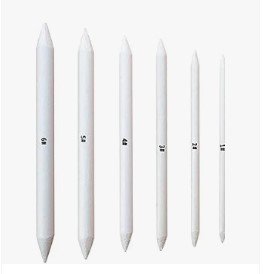
Blending helps create smooth transitions. Use your finger, blending stump, or tissue to soften harsh lines in your charcoal sketch.
Smudging gives a smoky, dramatic look. It’s perfect for dark backgrounds and soft shadows. Avoid over-smudging to keep details sharp.
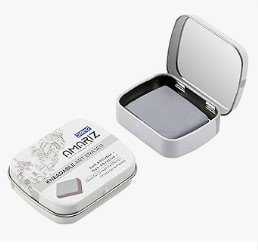
A kneaded eraser can lift charcoal off the paper, allowing you to create highlights. Many artists use erasers like drawing tools—especially when adding light reflections in a charcoal sketch.
How to Start Your First Charcoal drawing
- Choose a simple subject: an apple, a mug, or a leaf.
- Begin with light vine charcoal lines.
- Add basic shadows to show where the light source is.
- Switch to compressed charcoal for darker areas.
- Blend gradually until the sketch feels smooth.
- Use an eraser to pull out highlights.
- Add final details with a charcoal pencil.
- With practice, your first charcoal drawing will quickly lead to more complex artworks.
Common Mistakes Beginners Make (and How to Avoid Them)
Pressing too hard: Start light so you can adjust easily.
Over-blending: Keep some sharp edges for realism.
Skipping highlights: Use an eraser to carve them out.
Using the wrong paper: Smooth paper can make a charcoal drawing look patchy; textured paper is better.
Not fixing the drawing: Always use a fixative to prevent smudging.
Practice shading scales daily.
Study light and shadow from real objects.
Use reference photos.
Try drawing with the side of the charcoal instead of the tip.
Experiment with contrast—push your darks darker.
Keep your hands clean or use a paper guard to avoid smudges.
Observe professional charcoal sketch work to learn techniques.
Here are some simple ideas to improve your skills:
Still life objects (fruit, cups, books)
Human eyes or hands
Portrait silhouettes
Simple landscapes
Flowers and leaves
Animal outlines
Buildings or street scenes
Each of these helps build different skills needed in a charcoal sketch.
Because charcoal is powdery, it can smudge easily. To keep your charcoal sketch safe:
Spray a fixative lightly from a distance.
Store sketches in a portfolio folder.
Use protective sheets between drawings.
Frame your best charcoal sketches under glass.
If you want inspiration for your next charcoal sketch, study artists like:
Leonardo da Vinci – famous for expressive charcoal studies
Michelangelo – master of anatomy and shading
Georges Seurat – known for dramatic tonal charcoal drawings
Robert Longo – modern artist known for hyper-realistic charcoal art
Their mastery shows how powerful a simple charcoal sketch can be.
Conclusion
A charcoal sketch is one of the most rewarding and expressive forms of drawing. It teaches you about shading, contrast, and form while letting you experiment freely. Whether you’re a beginner or an experienced artist, charcoal sketching helps unlock creativity and improves your overall drawing skills. With simple tools and a little practice, you can create artwork that feels bold, emotional, and visually striking.